What is Audio Generation?
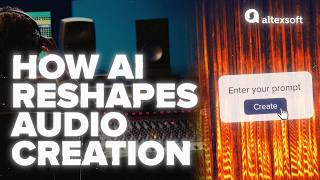
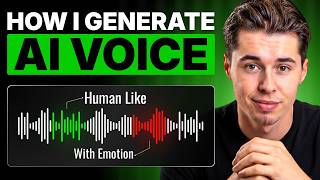
Audio generation refers to the process of using artificial intelligence to create audio files from scratch, such as music, voice, or sound effects. This technique utilizes machine learning models, like transformers, to generate high-quality audio that is often indistinguishable from recordings made by humans. The goal of audio generation is to produce audio that is coherent, natural-sounding, and engaging.
Think of audio generation like a highly skilled musician who can improvise a new song on the spot. Imagine being able to create a new piece of music or a voice-over for a video without having to physically record it. Audio generation is like having a virtual musician or voice actor at your fingertips, capable of creating high-quality audio on demand. Think of it as a tool that can help bring your creative ideas to life, without the need for extensive recording or editing.
Why does Audio Generation matter?
Audio generation matters because it has the potential to revolutionize the way we create and consume audio content. For instance, music producers can use audio generation to create new and unique sounds, while voice actors can use it to generate realistic voice-overs for animations or videos. Additionally, audio generation can be used to generate audio descriptions for visually impaired individuals, making media more accessible.
How does Audio Generation work?
Audio generation works by using a type of machine learning model called a generative model, which is trained on a large dataset of audio files. The model learns to identify patterns and relationships within the data, such as the way notes are structured in music or the rhythm of speech. Once trained, the model can generate new audio files based on this knowledge, using techniques like embeddings to create a unique sound or voice. The quality of the generated audio depends on the quality of the training data and the complexity of the model.
Real-world applications
Audio generation is being used in a variety of real-world applications, such as music production, voice-overs, and audio descriptions. For example, some music streaming services use audio generation to create personalized playlists, while others use it to generate audio previews for songs. Additionally, audio generation is being used in the development of virtual assistants, such as Alexa or Google Assistant, to generate more natural-sounding responses.
Common misconceptions
One common misconception about audio generation is that it is only used for music production. However, audio generation has a wide range of applications, from voice-overs to audio descriptions. Another misconception is that audio generation is only capable of producing low-quality audio, when in fact, modern models are capable of producing high-quality audio that is often indistinguishable from recordings made by humans.
Future developments
The future of audio generation looks promising, with advancements in machine learning and the development of new models, such as transformers, that are capable of generating even higher-quality audio. As the technology continues to improve, we can expect to see more innovative applications of audio generation in various industries, from entertainment to education.