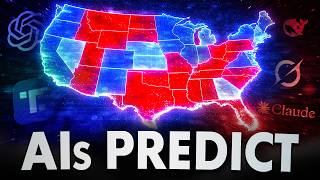
Prediction is a fundamental concept in artificial intelligence, where a model uses data to forecast future events or outcomes. This concept is used in various applications, including weather forecasting, stock market analysis, and product recommendations. The goal of prediction is to provide accurate and reliable forecasts that can inform decision-making. Predictive models can be trained on historical data to identify patterns and relationships. By analyzing these patterns, the model can generate predictions about future events.
Predictive models can be categorized into different types, including regression, classification, and clustering. Regression models predict continuous outcomes, such as stock prices or temperatures. Classification models predict categorical outcomes, such as spam or non-spam emails. Clustering models group similar data points into categories, such as customer segments. Each type of model has its strengths and weaknesses, and the choice of model depends on the specific problem being addressed.
The process of making predictions involves several steps, including data collection, data preprocessing, model training, and model evaluation. Data collection involves gathering relevant data from various sources, such as sensors, databases, or APIs. Data preprocessing involves cleaning, transforming, and formatting the data for use in the model. Model training involves using the preprocessed data to train the predictive model, and model evaluation involves assessing the performance of the model on unseen data.
Predictive models can be used in a wide range of applications, including healthcare, finance, and marketing. In healthcare, predictive models can be used to diagnose diseases, predict patient outcomes, and personalize treatment plans. In finance, predictive models can be used to forecast stock prices, detect fraudulent transactions, and optimize investment portfolios. In marketing, predictive models can be used to predict customer behavior, personalize recommendations, and optimize advertising campaigns.
The accuracy and reliability of predictive models depend on several factors, including the quality of the data, the complexity of the model, and the level of noise in the data. High-quality data that is relevant, accurate, and complete is essential for making accurate predictions. Simple models that are easy to interpret and understand are often preferred over complex models that are difficult to interpret. Noise in the data, such as missing or erroneous values, can reduce the accuracy and reliability of the model.
Think of prediction like trying to forecast the weather. Imagine you have a model that uses historical weather data to predict the temperature and precipitation for the next day. The model analyzes patterns in the data, such as temperature trends and precipitation cycles, to generate a forecast. Similarly, predictive models in AI use historical data to forecast future events or outcomes, such as stock prices or customer behavior. Think of the model as a tool that helps you make informed decisions by providing accurate and reliable predictions.