What is LLMOps?
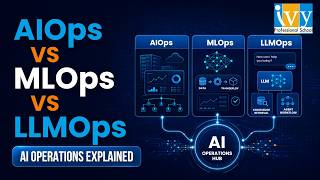
LLMOps (Large Language Model Operations) is the discipline of managing the entire lifecycle of LLM‑based products—from data pipelines and model selection to monitoring and continuous improvement.
Think of LLMOps like the daily care of a garden: you choose the right seeds (model), water and fertilize (data pipelines), prune weeds (bias checks), and watch the growth (monitoring) to keep the garden thriving.
Why does it matter?
Product teams need LLMOps to keep AI features reliable, cost‑effective, and aligned with user expectations. Without it, models can drift, become expensive, or produce harmful outputs, hurting trust and business outcomes.
How does it work?
LLMOps combines three core loops: (1) data handling – collecting, cleaning, and versioning prompts and responses; (2) deployment – packaging models in containers, scaling them with cloud or edge resources, and exposing APIs; (3) monitoring – tracking latency, usage, quality metrics, and safety signals, then feeding the results back into retraining or prompt updates. Tools like MLflow, LangChain, and observability platforms help automate these steps.
Real‑world applications
* A customer‑support chatbot that automatically routes tickets, retrains nightly on new conversation logs, and alerts engineers when response quality drops.
* An internal document‑search tool that indexes company knowledge, serves queries via a low‑latency API, and logs usage to fine‑tune the model for corporate jargon.
* A content‑generation platform that scales across regions, monitors cost per token, and triggers human review when flagged for bias.
Common misconceptions
* "LLMOps is just DevOps for AI" – it adds unique challenges like prompt versioning, token‑level cost tracking, and safety guardrails.
* "Once a model is deployed it works forever" – LLMs require continuous data refresh, bias checks, and performance tuning to stay relevant.