What is Model Cards?
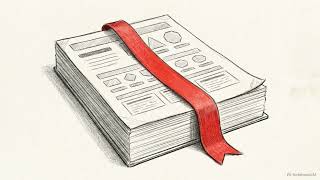
Model Cards are one‑page documents that summarize key information about an AI model, such as what it was trained to do, its intended use cases, and known weaknesses. They are written for a broad audience, including non‑technical stakeholders, so anyone can quickly grasp a model’s capabilities and risks.
Think of a Model Card as the nutrition label on a food package: it quickly tells you what’s inside, how it might affect you, and any warnings, so you can decide whether it’s right for your diet.
Why does it matter?
Product managers and designers need clear signals about whether a model fits their product’s goals and compliance requirements. Model Cards help teams avoid surprise failures, reduce bias, and meet regulatory expectations by making model provenance transparent. They also build trust with users who want to know how an AI system works.
How does it work?
When a model is released, the development team fills out a template that covers sections like model description, training data, evaluation metrics, ethical considerations, and recommended usage. This information is then published alongside the model’s code or API documentation. The format is standardized enough to be comparable across models, yet flexible for domain‑specific details.
Real‑world applications
1. A fintech startup uses a credit‑scoring model and attaches a Model Card that lists accuracy across demographic groups, helping compliance officers verify fairness before launch.
2. An image‑search service provides Model Cards for each vision model, noting that the model struggles with low‑light images, so developers can add fallback logic.
3. An open‑source language model repository includes Model Cards that warn about potential toxic outputs, guiding developers to add moderation layers.
Common misconceptions
People sometimes think Model Cards are just technical datasheets; in reality they are meant for a mixed audience and include ethical context, not just numbers. Another myth is that a Model Card guarantees a model is safe— it simply documents what is known, leaving responsibility to the user to act on the information.